Security

Learn about ESUNT's security architecture, cryptographic approach, privacy features, and the principles behind its protection of digital communications.

Data and Privacy Management
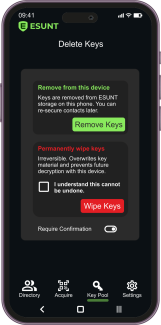
Explore ESUNT data and privacy management, including local information storage, soft deletion, hard deletion, and cryptographic key management. Learn how the envisioned application aims to give users greater control over protected communications and access to encrypted content.

Understand important privacy, backup, recovery, and data deletion limitations when using ESUNT and compatible communication platforms.

Managing ESUNT Security

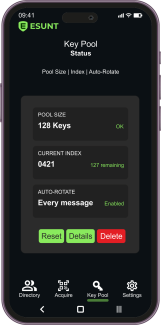
Learn how to manage ESUNT security, including cryptographic key-pools, key rotation, trusted connections, and encryption protection settings. Discover how the envisioned application supports multiple independent security relationships for contacts and groups.

Explore practical security controls designed to strengthen user-controlled, over-encrypted communication.

Using ESUNT with Other Applications

Learn how ESUNT over-encryption is designed to work with compatible messaging and communication applications. Explore the intended workflows for sending and receiving protected messages, managing secure connections, and verifying encryption status.

Discover how ESUNT could strengthen communication privacy without requiring users to abandon their preferred platforms.

Calls, Files, and Groups

Explore the planned ESUNT secure voice calls, protected file sharing, and private group communication features. Learn how independent over-encryption and user-controlled cryptographic relationships could help protect personal and professional communications.

Discover how the complete ESUNT application is envisioned to support trusted groups, confidential file exchange, and additional security across compatible communication platforms.

Secure Messaging

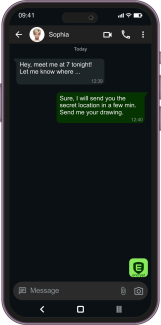
Discover secure messaging with ESUNT and learn how independently established encryption connections are intended to protect private conversations. Explore protected message exchange, conversation management, and visual security indicators.

Learn how ESUNT over-encryption could reinforce messaging privacy through its standalone application and compatible third-party communication platforms.

Contacts and Secure Connections

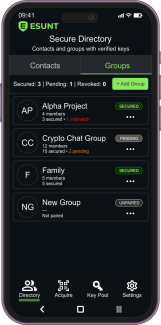
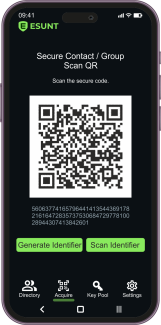
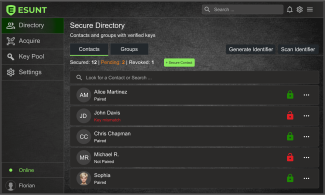
Learn how to add contacts and establish secure ESUNT connections using QR codes, NFC, Bluetooth, or manual information exchange. Explore trusted contact verification, independently managed encryption relationships, and connection security indicators.

Discover how the envisioned ESUNT application would help users manage private and secure communications with individual contacts and trusted groups.

Getting Started with ESUNT

Learn how to get started with ESUNT, from initial application setup and interface navigation to establishing trusted connections and managing independent encryption.

Explore the intended workflows for secure messaging, privacy settings, and over-encrypted communication through the complete ESUNT application and compatible third-party platforms.

Integration with Existing Applications

ESUNT (End-To-End Secure User Network Technology) is designed to add independent over-encryption to compatible communication applications. It aims to protect content locally while users continue using familiar messaging and collaboration platforms.

Enhancing Existing Communication Platforms

Existing services handle communication and delivery, often with their own encryption. ESUNT proposes an additional layer that protects outgoing content before it enters the underlying application.

This approach could provide greater control over communication confidentiality without replacing existing infrastructure, while keeping the ESUNT cryptographic context separate from the provider's security mechanisms.

Security Architecture

ESUNT's proposed security architecture separates communication content protection from the platform carrying it. Participating devices would control an independent encryption layer through locally managed cryptographic operations, without requiring the provider to manage ESUNT's cryptographic context.

Independent Security by Design

Communication platforms may provide strong end-to-end encryption, but users still depend on each provider's implementation and security practices.

ESUNT proposes to encrypt outgoing content locally before it enters the underlying platform. When that platform also encrypts content, both layers could work together, reducing reliance on a single cryptographic implementation while leaving the existing service responsible for delivery.

How ESUNT Works

ESUNT (End-To-End Secure User Network Technology) is designed to protect digital communications through an independent over-encryption process. Under the proposed workflow, participating devices would establish a shared secure context, apply cryptographic protection locally, and exchange protected content through an existing communication platform or a dedicated ESUNT application.

How the Protection Process Works

ESUNT separates the protection of communication content from its transmission. The proposed workflow consists of four stages: establishing a secure relationship, preparing local cryptographic material, protecting outgoing content, and recovering it at the receiving endpoint. The underlying application continues delivering content without managing ESUNT's separate protection.